Deep history
Humans have been making art since well before the last ice age. Starting with handprints on cave walls, maybe the simplest form of self-expression, people have been reaching out to the eternal. What lasts and gets found is only a tiny sliver of all that has been made, which makes these pieces even more special.
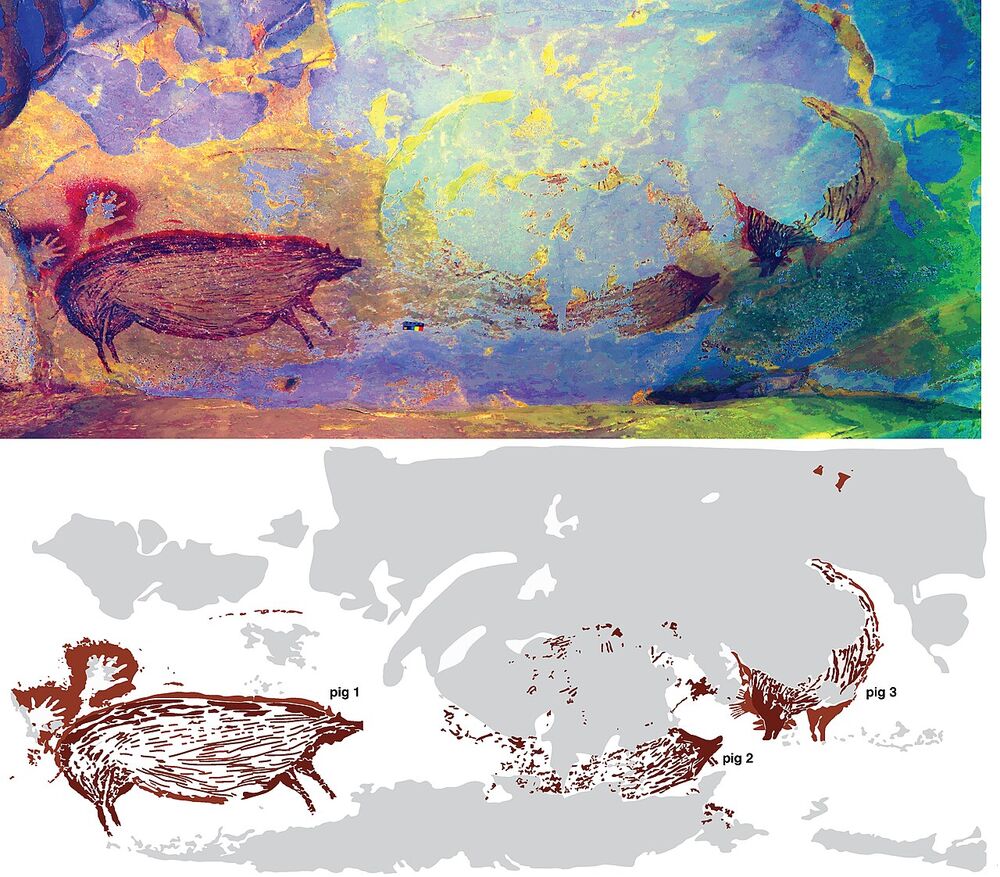
Sulawesi warty pig
Before c. 43,500 BCE
Leang Tedongnge, South Sulawesi, Indonesia
Red ochre on a cave wall. A mineral layer over the painting establishes a minimum age of about 45,500 years. The painting could be older.
Griffith University / ARKENASEnhanced view and tracing: Oktaviana · CC BY-SA 4.0

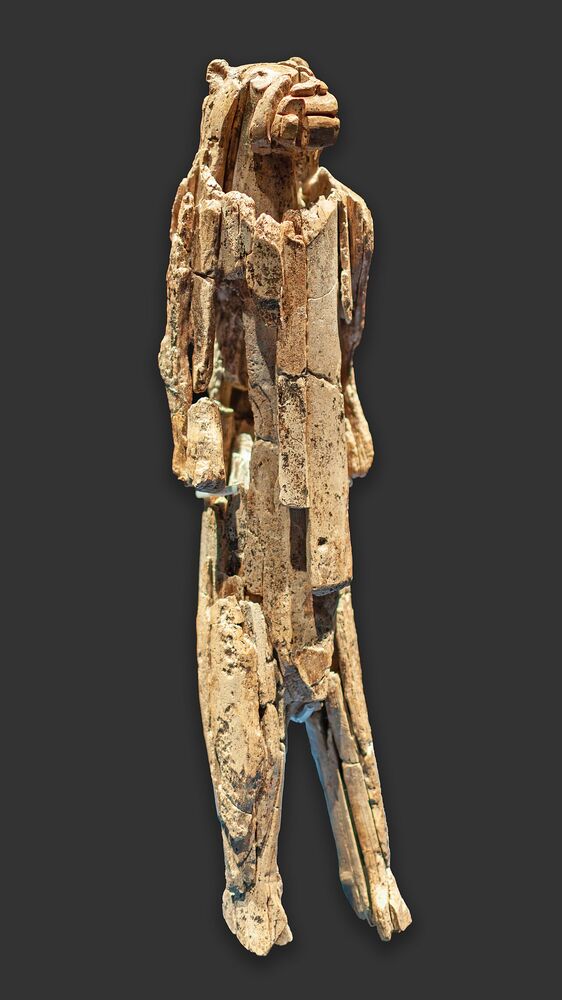
Lion Man
c. 38,000–34,000 BCE
Hohlenstein-Stadel, present-day Germany
A lion-headed, partly human figure carved from mammoth ivory. Its meaning is unknown, but the imagined being is unmistakable.
British Museum backgroundPhoto: Dagmar Hollmann · CC BY-SA 4.0 · Catalog record

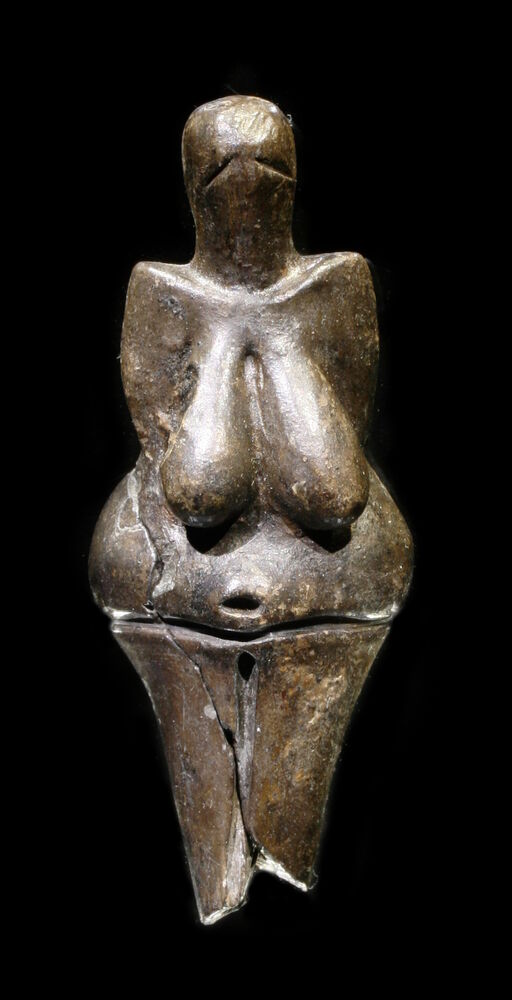
Venus of Dolní Věstonice
c. 29,000–24,000 BCE
Dolní Věstonice, present-day Czechia
A small fired-clay figure, among the earliest surviving ceramics. People were making ceramic sculpture long before farming.
Photo: Petr Novák, Wikipedia; guidance: Danny B. · CC BY-SA 2.5 · Catalog record

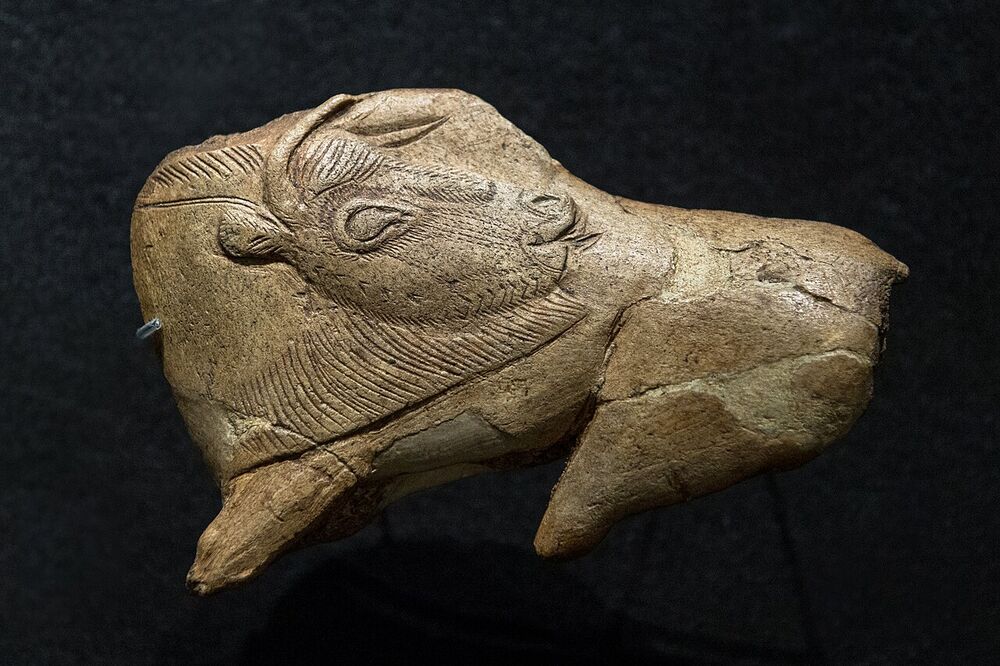
Bison Licking Insect Bite
c. 13,000–12,000 BCE
La Madeleine, present-day France
A bison carved from reindeer antler, turning its head back toward its body. The pose fits the small fragment it was carved from.
Photo: Thilo Parg · CC BY-SA 4.0 · Catalog record

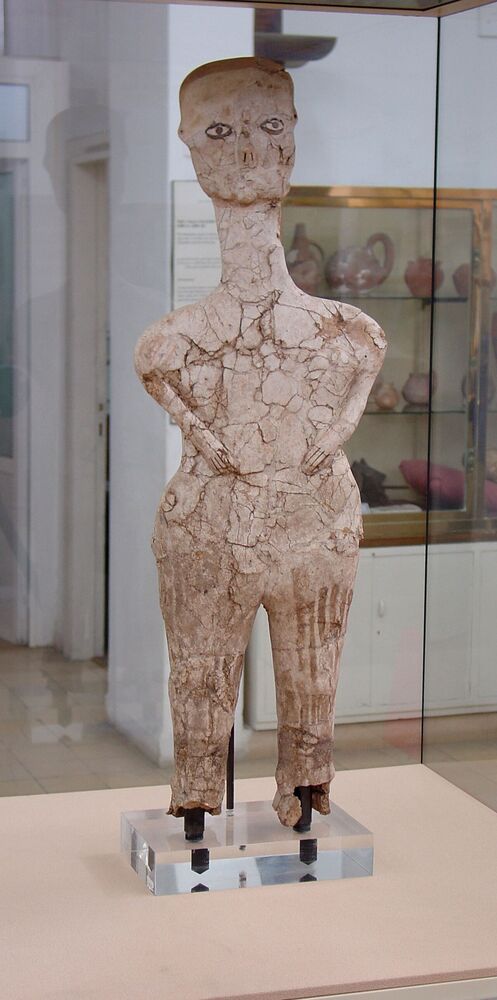
ʿAin Ghazal figure
c. 6500 BCE
ʿAin Ghazal, present-day Jordan
Plaster shaped over a reed framework, with dark-outlined eyes. A striking human presence from an early farming settlement.
Photo: Michael Gunther · CC BY-SA 4.0 · Catalog record

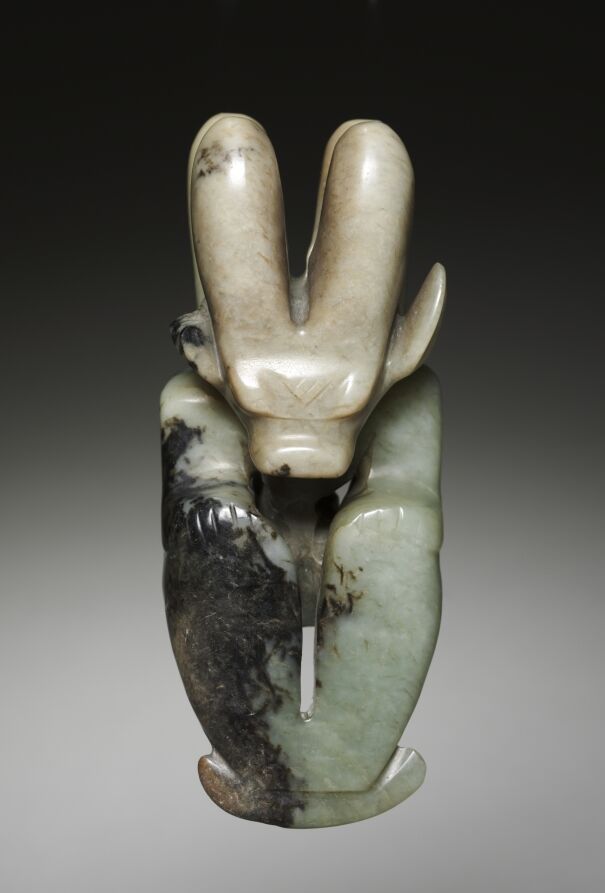
Jade figure with a bovine head
c. 4700–2920 BCE
Northeast China, probably Hongshan culture
Carved nephrite jade. Holes near the shoulders suggest this small seated figure was suspended as a pendant.
Cleveland Museum of ArtImage: Cleveland Museum of Art · CC0
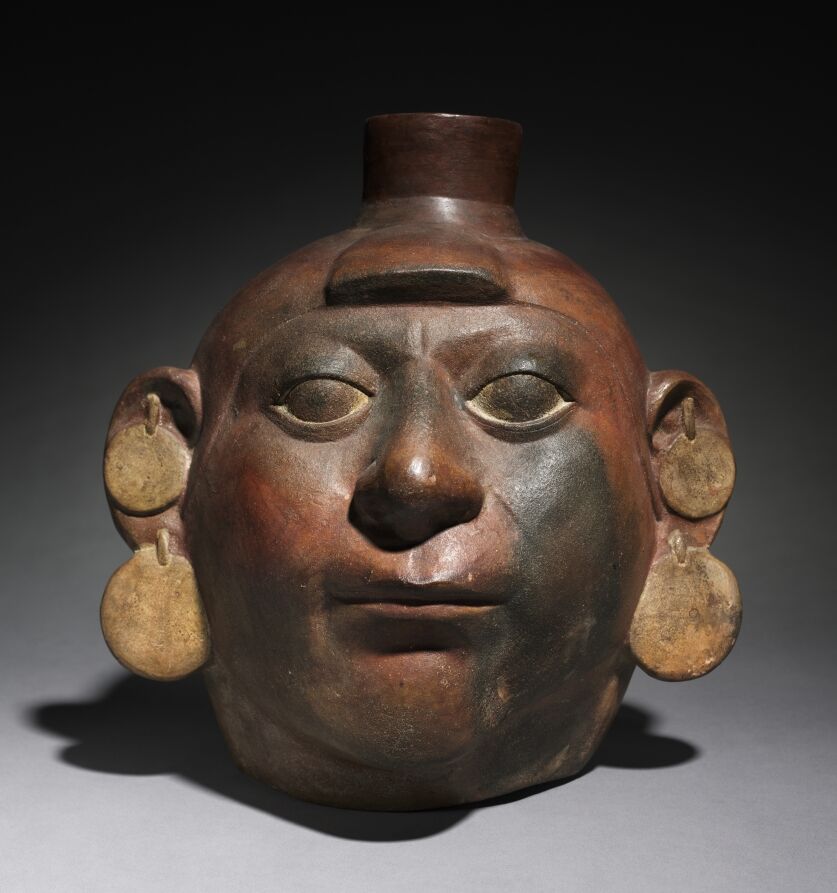
Portrait Head Vessel
200–550 CE
North Coast, Peru · Moche
An earthenware vessel shaped as a human head, finished with colored slips. Made on Peru’s north coast in the Moche tradition.
Cleveland Museum of ArtImage: Cleveland Museum of Art · CC0
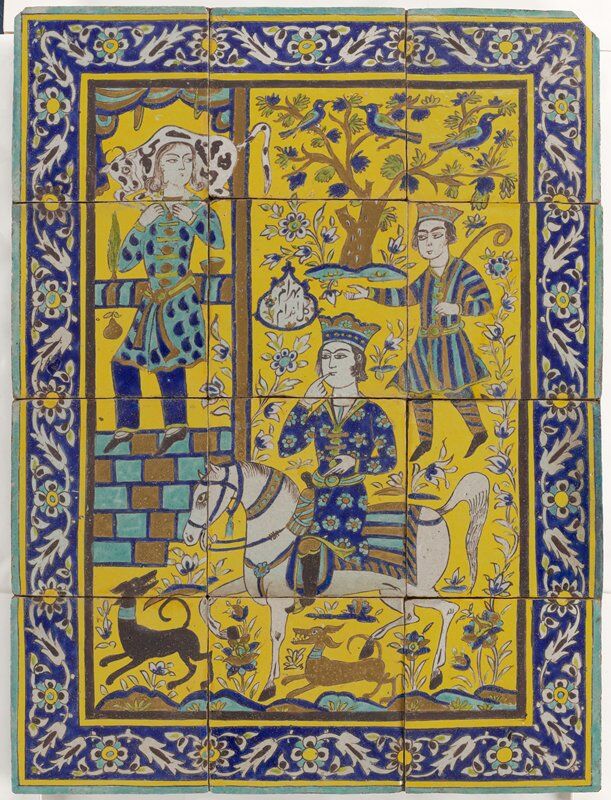
Bahram Gur and Fitna
c. 1625–1650 CE
Iran
A story told across painted tiles: Fitna carries a bull, demonstrating to King Bahram Gur what practice can achieve.
Minneapolis Institute of ArtImage: Minneapolis Institute of Art · Public domain
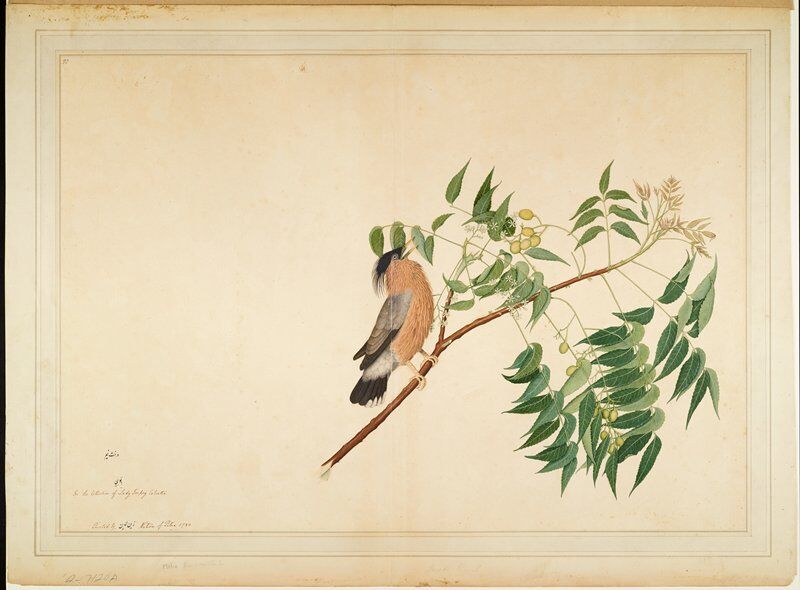
Brahminy Starling on Neem Tree Branch
1780 CE
India · Sheikh Zain al-Din
A natural-history study from the Impey Album, painted by Mughal-trained artist Sheikh Zain al-Din in opaque colors and ink.
Minneapolis Institute of ArtImage: Minneapolis Institute of Art · Public domain
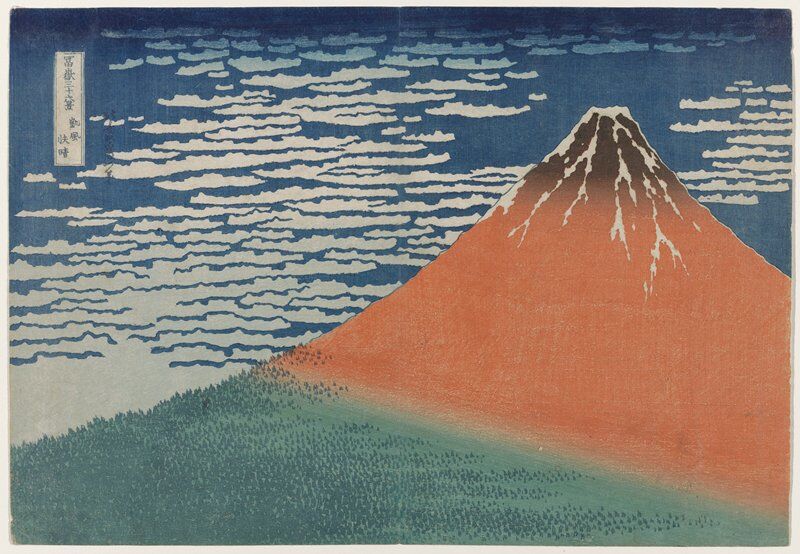
South Wind, Clear Weather
1830–1833 CE
Japan · Katsushika Hokusai
Also known as Red Fuji. Hokusai turns the mountain into a bold arrangement of color and shape, printed from carved woodblocks.
Minneapolis Institute of ArtImage: Minneapolis Institute of Art · Public domain
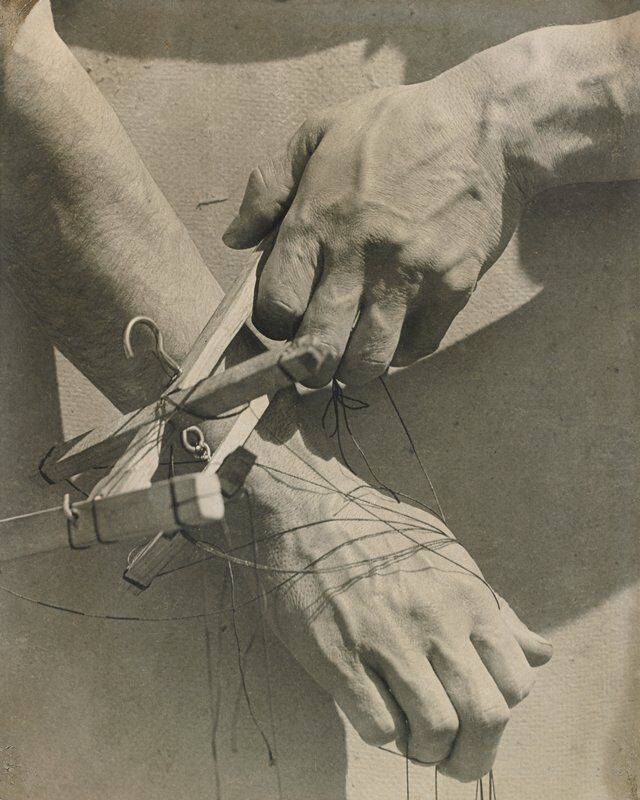
Hands of the Puppeteer
1929 CE
Mexico City, Mexico · Tina Modotti
Modotti focuses on the hands and strings behind a puppet performance. A gelatin silver print, photographed in Mexico City.
Minneapolis Institute of ArtImage: Minneapolis Institute of Art · Public domain
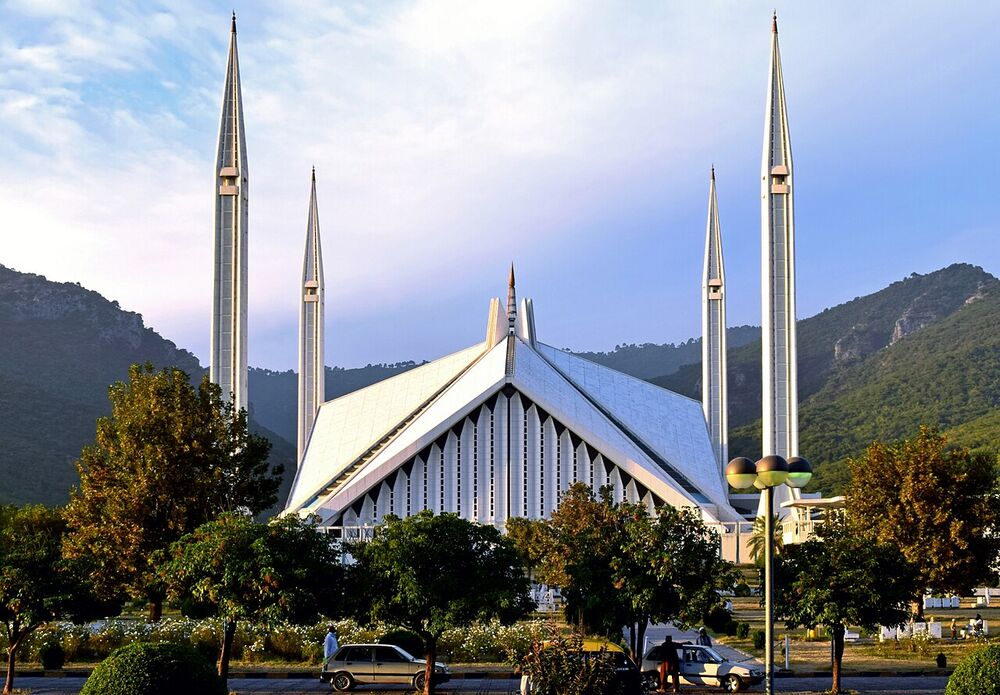
Faisal Mosque
1986 CE
Islamabad, Pakistan · Vedat Dalokay
Dalokay replaced the traditional dome with a folded concrete shell, often compared to a desert tent. Four slender minarets stand at its corners.
Photo: Ali Mujtaba · CC BY-SA 4.0 · Catalog record

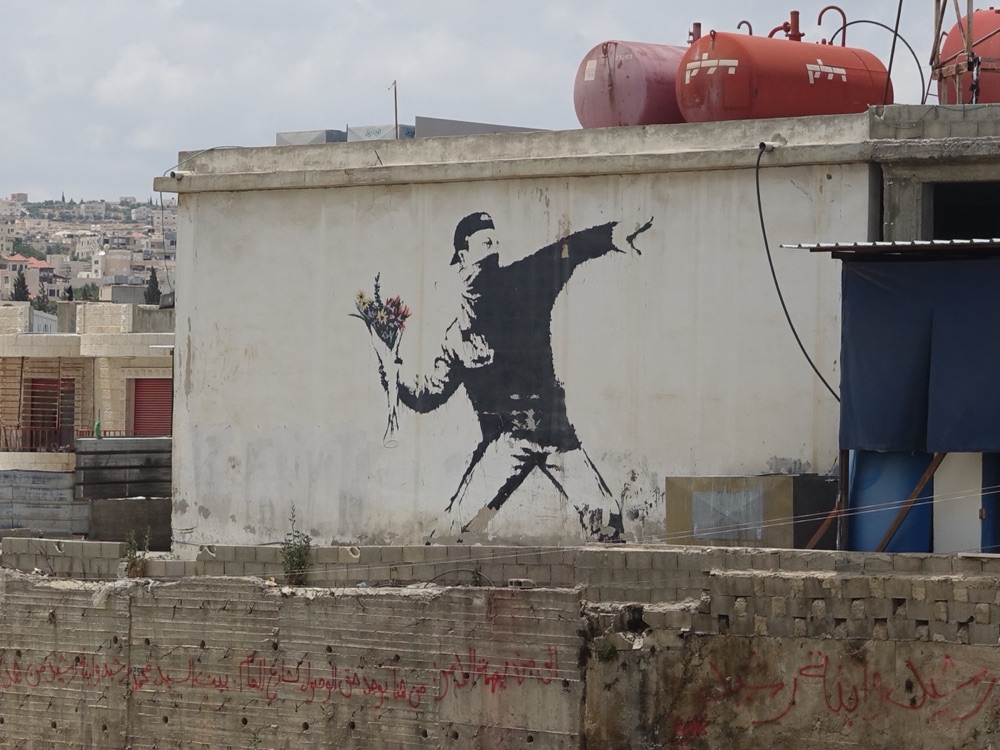
Love Is in the Air
c. 2003 CE
Beit Sahour, West Bank · Banksy
A masked protester winds up to throw, but the bomb is a bouquet of flowers. Banksy stencilled it on a garage wall beside the main road into Beit Sahour, near Bethlehem.
Wikipedia background